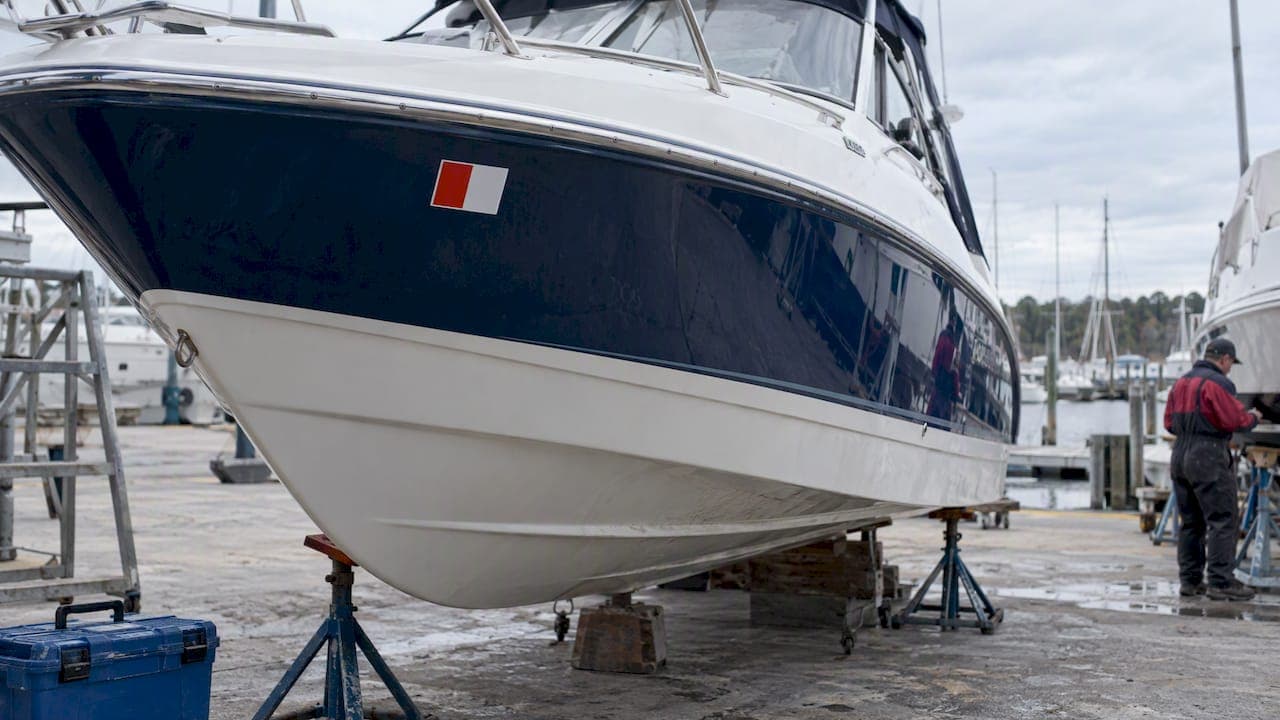
Most permanent vinyl decals need 24 to 48 hours to reach a reliable bond, though light handling is usually fine within a few hours of installation. Washing or any heavy stress should wait the full 24 to 48 hours, and newly painted surfaces, large wraps, or thick decals can demand days to weeks before they are ready for normal use.
TL;DR:
- Permanent vinyl decals generally require 24 to 48 hours to achieve a reliable bond before exposure to water, pressure, or friction.
- The installation method, surface preparation, and weather conditions, especially cold or humid environments, can significantly extend actual cure times.
- Fresh paint, ceramic coatings, and large wraps involve longer waiting periods, often ranging from one week to over 30 days, depending on the surface.
- Fixing bubbles or lifting edges is most effective within the first 24 hours, using gentle re-squeegeeing or pinhole releases for trapped air.
- Rushing the cure beyond recommended times risks decal failure, making it generally advisable to wait the full period before heavy handling or washing.
Table of Contents
- Recommended wait times by decal type and activity
- What changes how fast a decal bonds
- Rules for painted surfaces, ceramic coatings, and hulls
- Fixing bubbles, lifting edges, and curling corners
- Speeding up the cure and confirming it worked
- What marine-grade decals teach us about wait times
- Is it worth rushing a decal install?
- Order marine-grade registration decals from Registrationdecals
- FAQ
- Sources
Recommended wait times by decal type and activity
The right wait time depends on what you are doing to the decal, not just when you applied it. Trimming excess vinyl and running a final squeegee pass can happen immediately after application, while pulling transfer tape should wait until you have worked out any visible air pockets, usually within the same session.
Light handling is where most people get impatient. Touching an edge to check adhesion or nudging a small decal back into alignment is generally safe within the first hour, but anything beyond a light touch risks shifting the vinyl before the adhesive sets.

Full use and washing are a different story. Most permanent vinyl needs 24 to 48 hours before it can handle water, pressure, or friction without lifting. For vehicle wraps, 3M's installation guidance recommends leaving the wrapped surface alone for at least 24 hours before it moves, and avoiding car washes for a full 7 days afterward. Larger wraps or decals applied to recently painted panels can require from several days up to a month or more, since the paint itself needs time to finish curing underneath the film.
Removable vinyl and temporary decals play by different rules. Their adhesives are built to release easily, so they often reach a stable bond in 1 to 24 hours depending on the product, though you should still avoid soaking them in water right away.
- Trimming and squeegee work: safe immediately after application.
- Light handling of edges: generally safe within 1 to 2 hours.
- Full use and washing (permanent vinyl): wait 24 to 48 hours.
- Vehicle wraps before a wash: wait at least 7 days.
- Large wraps or fresh paint: allow 7 to 30+ days.
- Removable or temporary decals: usually ready in 1 to 24 hours.
What changes how fast a decal bonds
Several factors you control at install time determine whether you land on the short end or the long end of these wait windows. A wet install, where you flood the surface with an application fluid to allow repositioning, buys you accuracy but adds drying time before the adhesive can fully grab. A dry install skips that step and bonds faster, but it leaves no room for error once the vinyl touches the surface.
Surface prep matters just as much as the installation method. Wax, grease, and road film block adhesive contact no matter how long you wait afterward. Wiping the surface with isopropyl alcohol before applying the decal removes these residues and gives the adhesive a clean surface to grip.
Temperature and humidity shift cure time more than most people expect. Cold surfaces slow the adhesive's chemical set, and our cold-weather installer playbook covers the minimum surface temperature to aim for before you even start. High humidity has a similar effect, since trapped moisture under the vinyl has nowhere to go and slows the bond from the inside out.
Technique during application also affects how much trapped air and moisture you leave behind. A firm, overlapping squeegee pass pushes bubbles out toward the edges instead of trapping them in the middle, and pulling transfer tape at a low angle rather than straight up reduces the chance of lifting edges before the adhesive has set. Our step-by-step application guide walks through the full squeegee and tape-removal sequence.
- Wet install: more working time, but longer drying before full bond.
- Dry install: faster bond, less room to reposition.
- Surface cleaning: isopropyl alcohol removes wax and grease that block adhesion.
- Cold or humid conditions: slow the cure and extend the safe wait time.
Pro Tip: Apply decals when the surface is between 50°F and 90°F; outside that range, the adhesive sets unevenly even if the vinyl looks fine at first glance.
Rules for painted surfaces, ceramic coatings, and hulls
Fresh paint is the riskiest surface for any decal, because paint can feel dry to the touch within an hour while still releasing solvent vapor for days afterward. That trapped outgassing is what causes bubbles to form under a decal long after installation looks successful. Technical Service Bulletin guidance sets practical minimums by size: pinstripes need about 24 hours after paint cure, stripe tape in the 1 to 2 inch range needs about 48 hours, decals from 2 to 6 inches wide need roughly a week, and full wraps or anything over 6 inches wide need 30 or more days.
Before trusting any of those numbers, run a quick outgassing test. Apply a small scrap of film to an inconspicuous section of the fresh paint, wait 24 hours, and check for bubbles. If none appear, the surface is likely ready; if bubbles form, give the paint more time and test again.

Ceramic coatings and textured hulls add their own complications. A ceramic coating creates a slick barrier that resists adhesive bonding, so decals applied after coating are more prone to lifting unless the surface gets special prep or an adhesion promoter. Our post on decal sequencing with ceramic coating recommends applying registration decals before the coating goes on whenever that order is possible.
Marine-grade vinyl changes the calculation slightly, since UV and saltwater exposure are the long-term threats rather than the initial bond. The cure window itself does not shrink just because the vinyl is rated for saltwater, so the same 24 to 48 hour rule still applies before the boat goes back in the water.
- Pinstripes: wait about 24 hours after paint cures.
- Decals 2 to 6 inches wide: wait about 1 week.
- Wraps or decals over 6 inches: wait 30 or more days.
- Ceramic-coated or textured surfaces: test adhesion first or install before coating.
Fixing bubbles, lifting edges, and curling corners
A decal that bubbles or lifts in the first day usually points to one of three causes, and figuring out which one you are dealing with determines the fix. Edge lift from poor squeegee work looks different from outgassing from fresh paint, and both look different from moisture trapped during a wet install.
- Check the location of the problem. Bubbles scattered across the middle usually mean trapped air or moisture, while lifting that starts at the edges points to insufficient pressure during application or incomplete transfer tape removal.
- Re-squeegee small bubbles. Working them toward the nearest edge with firm, overlapping strokes often resolves minor air pockets within the first few hours.
- Drain larger bubbles with a pinhole. A fine pin prick lets trapped air escape, after which a light squeegee pass flattens the spot without damaging the vinyl.
- Use controlled low heat for stubborn curls. A heat gun on a low setting softens the adhesive enough to press lifted edges back down, but excess heat can distort the vinyl or the paint underneath.
- Know when to stop fixing and start over. If an edge keeps lifting after two attempts, or if bubbles keep reappearing in the same spot, the adhesive or the substrate has likely failed and the decal needs full removal and reapplication.
Pro Tip: Work bubble fixes within the first 24 hours; once the adhesive fully cures, reheating to lift and resmooth the vinyl becomes far less effective. Our guide to fixing decal bubbles safely covers the heat-and-needle method in more detail.
Speeding up the cure and confirming it worked
You can shorten some wait times without sacrificing the bond, but only within limits set by the paint or vinyl manufacturer. Two tests confirm whether a decal is actually ready rather than just dry to the touch.
- Run the tape-snap test. Apply a strip of masking tape to the installed decal, pull it off sharply, and check whether the edges lift. No lifting means the bond has set enough for normal handling.
- Run the outgassing test on fresh paint. Apply a small test patch of film, wait 24 hours or bake it per the film manufacturer's instructions, and watch for bubbles; repeat daily until the patch stays clean.
- Use low-temperature forced drying where appropriate. Shop heaters or infrared lamps can speed paint cure and reduce outgassing time, but the temperature must stay within the paint's technical data sheet limits.
- Skip acceleration on fresh clearcoat or in cold shops. Forcing heat on clearcoat that has not reached its minimum cure threshold, or trying to speed a cure in a cold space, tends to cause more lifting than it prevents.
What marine-grade decals teach us about wait times
Our decals are made from vinyl chosen for UV and saltwater resistance, but that durability does not shortcut the adhesive cure itself. A boat decal still needs the same 24 to 48 hour window as any other permanent vinyl before it faces water or heavy handling.
Cold mornings on the water and ceramic-coated hulls are the two situations we hear about most, and both call for the same answer: wait for the surface to warm up, or sequence the decal before the coating goes on. When you order, plan for a 3 to 5 business day production window plus the recommended cure time before the boat goes back in the water.
- Marine-grade vinyl protects against UV and saltwater but doesn't speed up adhesive cure.
- Cold surfaces and ceramic coatings call for extra prep or a delayed install.
- Factor in 3 to 5 business days of production on top of the cure window.
Is it worth rushing a decal install?
In my view, the temptation to skip the wait is almost always a bad trade. A few saved hours rarely outweigh the cost of redoing a decal that lifted because the adhesive never finished setting. The conservative 24 to 48 hour window exists because it reflects how the adhesive chemistry actually works, not because installers are being cautious for no reason.
Where I'd make an exception is complex substrates: fresh paint, large wraps, or ceramic-coated hulls. Those situations carry enough risk that getting a professional installer involved is worth the extra cost, especially on a surface you cannot easily touch up yourself.
— Taylor
Order marine-grade registration decals from Registrationdecals
Once your hull or console is prepped and you know your wait window, ordering ahead saves you from installing in a rush. Every set is produced from marine-grade vinyl built to resist UV fading and saltwater exposure, and an online design tool lets you enter registration numbers, pick colors and fonts, and have a finished design in minutes.
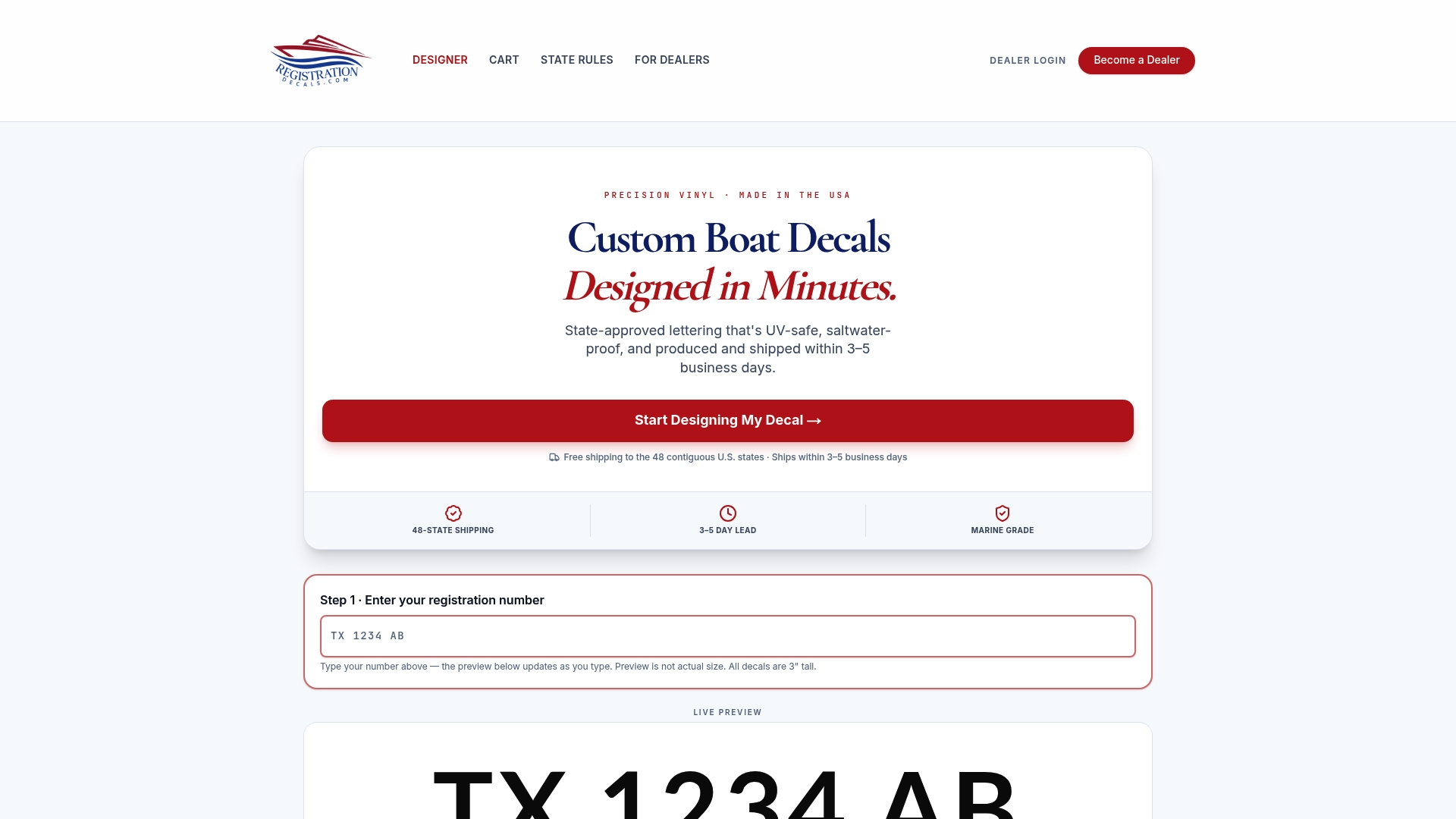
Production runs 3 to 5 business days with free shipping across the contiguous United States, so build that timeline plus your cure window into your launch plans.
- Start your custom set on our Custom Boat Registration Numbers & Decals page.
- Browse Jet Ski Numbers for personal watercraft registrations.
- Check Pontoon Numbers if you're working with a wider hull surface.
FAQ
How long should I wait before washing a new decal?
Wait at least 24 to 48 hours before washing most permanent vinyl decals, since that window lets the adhesive reach a stable bond. For vehicle wraps, 3M's installation guidance recommends waiting a full 7 days before the first wash.
Is it better to apply decals wet or dry?
A wet install, using an application fluid, gives you more time to reposition the decal but adds drying time before the adhesive fully grabs. A dry install bonds faster but leaves little room to fix mistakes, so the right choice depends on how much precision you need versus how quickly you need the decal set.
How long does a decal last once properly installed?
A well-installed marine-grade vinyl decal is built to resist UV fading and saltwater exposure for years of regular boat use, though exact lifespan depends on exposure and care. Our page on how long marine vinyl decals last covers maintenance tips that extend that lifespan.
What's the difference between dry to the touch and fully cured?
Paint and adhesive can feel dry within an hour of application while still releasing trapped solvents or finishing their chemical set for days afterward. A tape-snap test or an outgassing test gives a more reliable readiness check than touch alone.
Does Roblox decal approval affect how I apply vinyl decals?
No, decal approval on platforms like Roblox is a digital moderation process and has nothing to do with physical adhesive cure times. Those administrative timelines, covered in Roblox's own transparency reporting, are unrelated to how long a vinyl decal needs to bond to a surface.